
A gallery for the stuff that doesn’t earn its own project page: eclipses, fish, and the occasional sky shot.
Back to Home Page
Solar Eclipses (April 2024 / August 2017)
After sleeping through the October 14th, 2023 annular eclipse, I committed to actually witnessing the April 8th, 2024 totality event. Bought a 4"×4" sheet of solar filter, paired it with my Canon Rebel T3i + EF-S 55-250mm lens, and drove up to Waco with my mom and little brother (who was touring Baylor at the time and ended up attending).
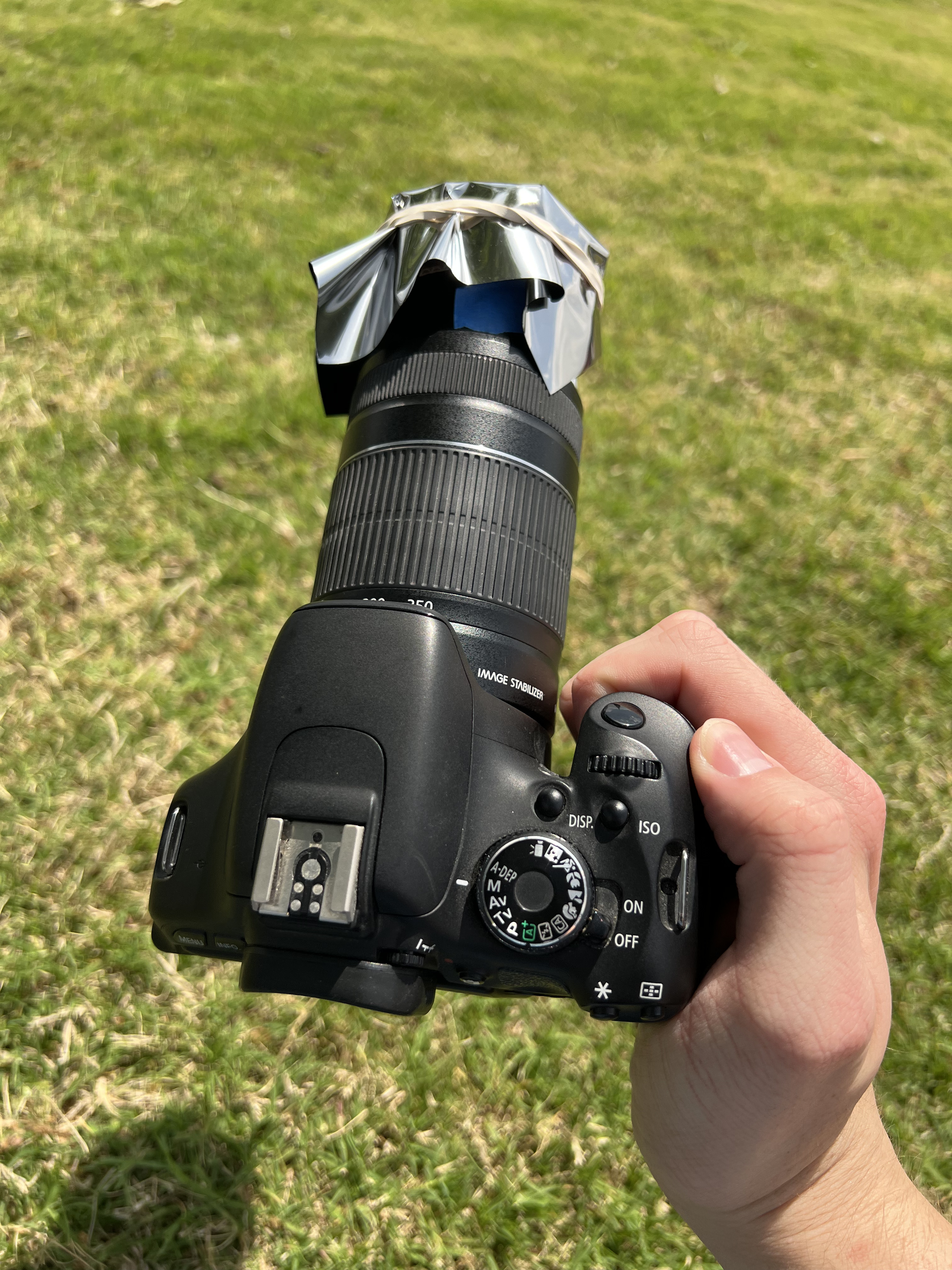 Canon Rebel T3i + EF-S 55-250mm lens with the 4"×4" solar filter taped to the front.
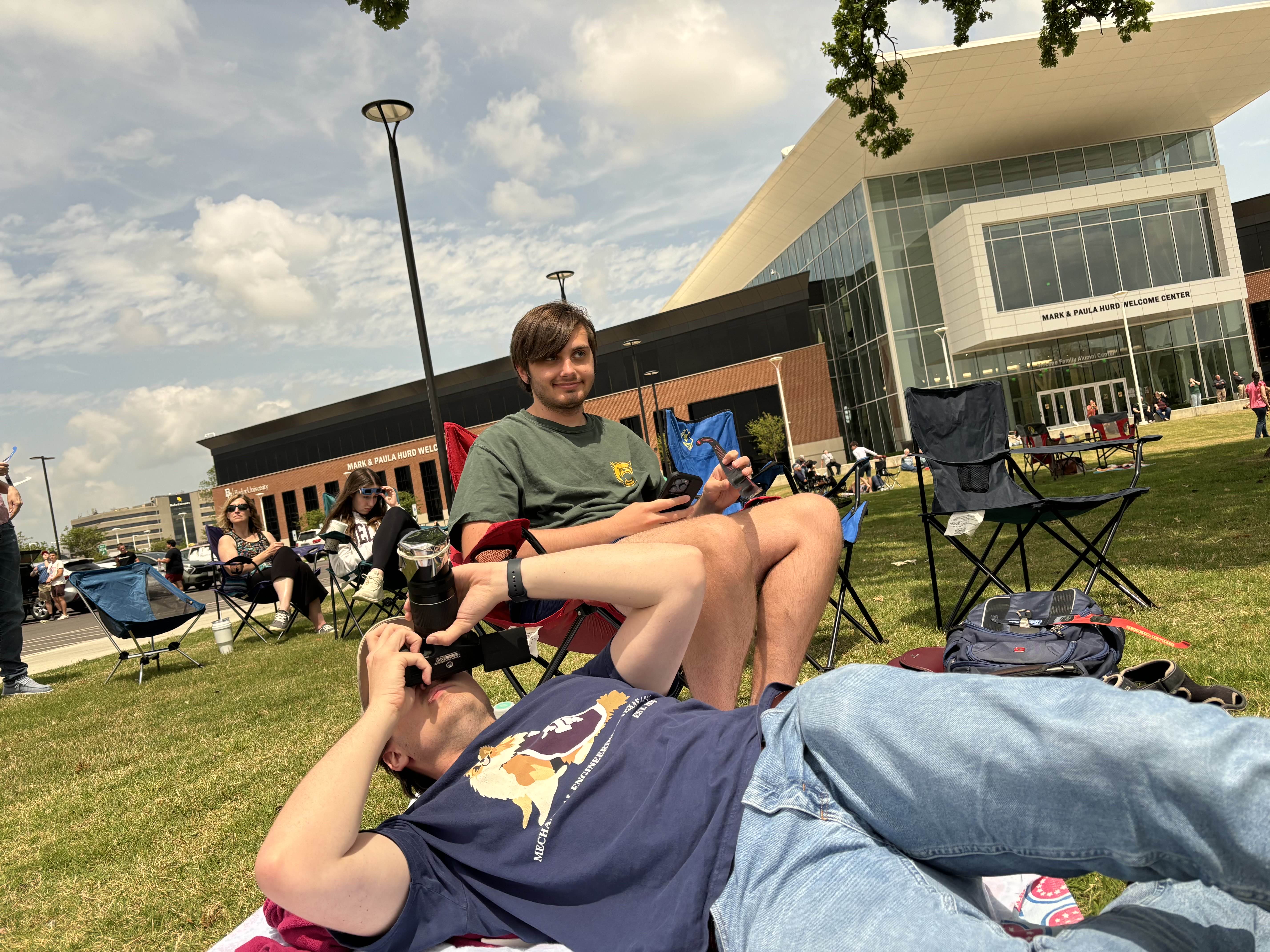 Me at the camera during totality. My little brother is in the chair behind me.
The partial phase ran about 2 hours 40 minutes, and totality lasted just over 4 minutes at our viewing location. I shot the partial phase every 20 minutes for a progression composite.
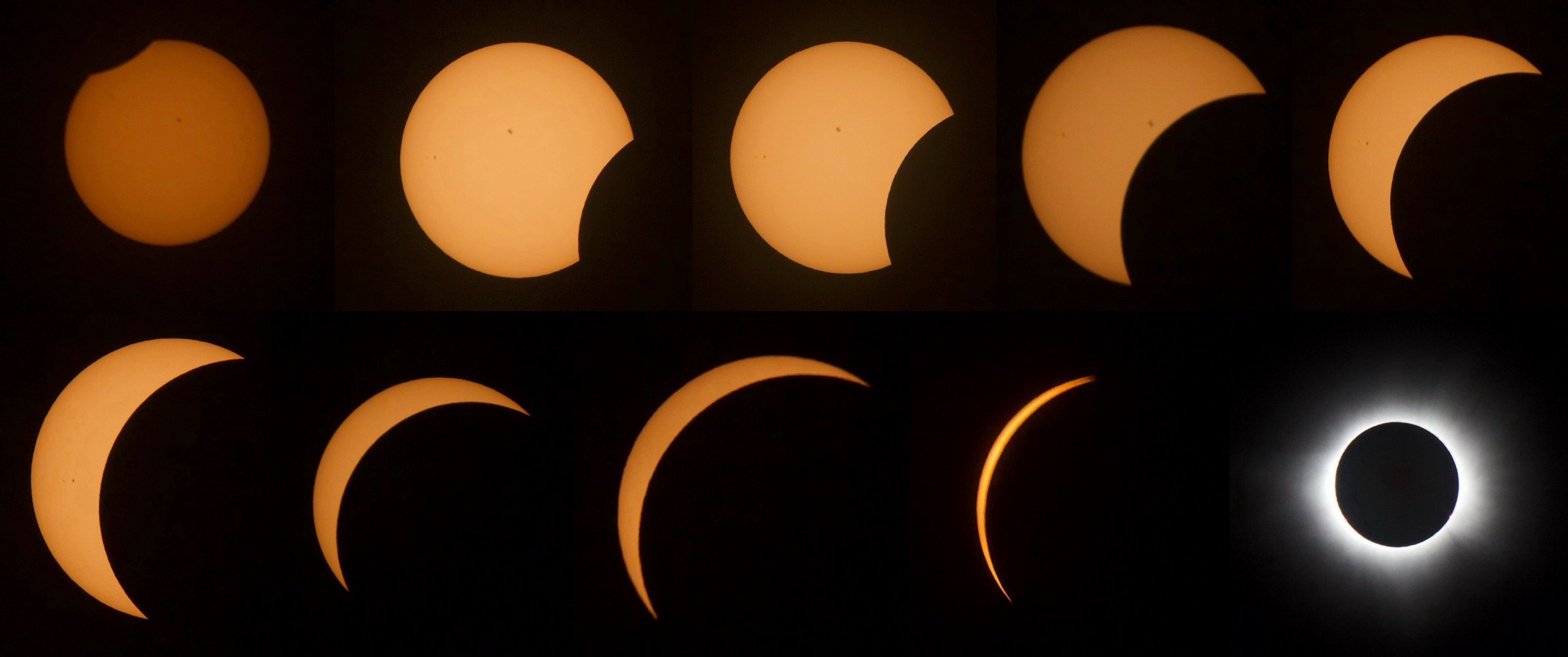 One frame every 20 minutes leading up to totality. Canon EOS Rebel T3i, EF-S 55-250mm.
During the 252 seconds of totality, an event that won’t recur in the contiguous USA until August 12, 2045 , I split shots between the Canon and my iPhone 13 Pro.
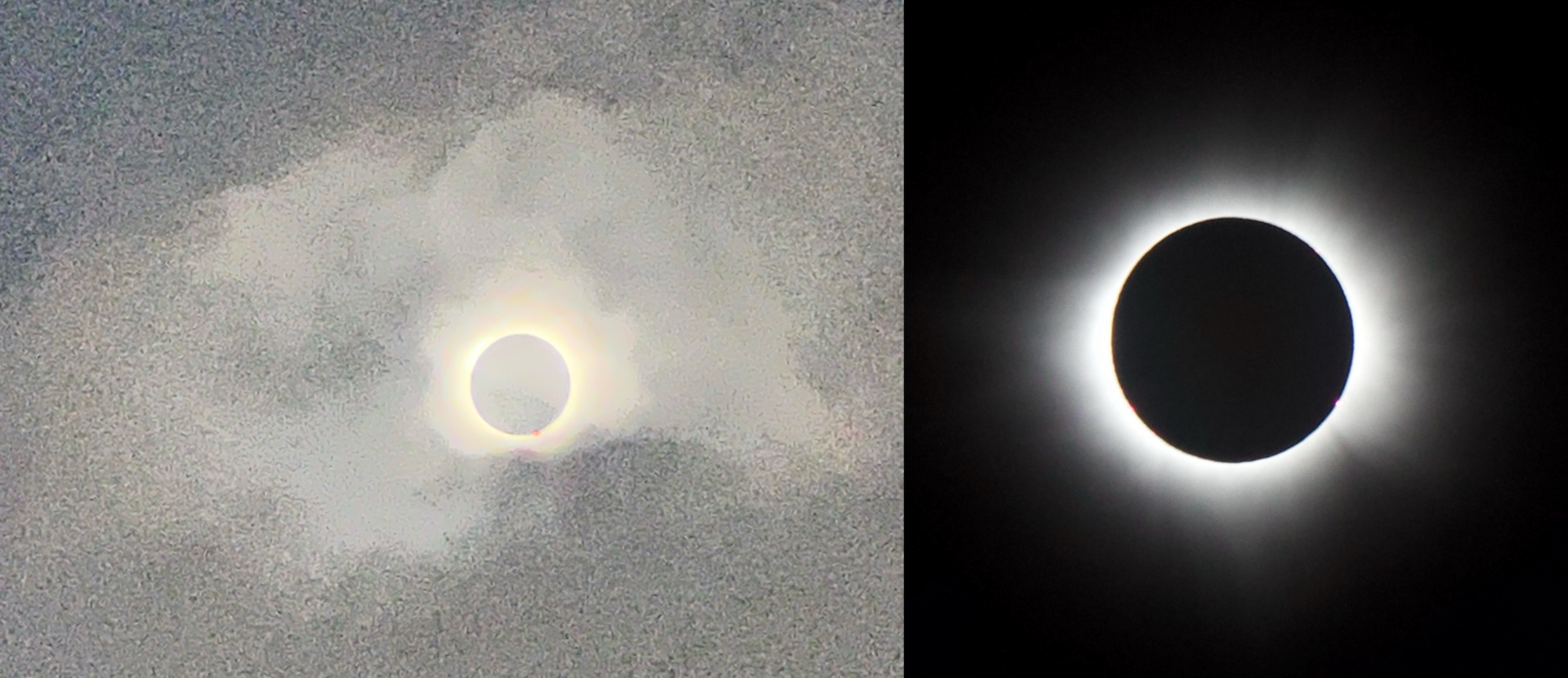 Left: iPhone 13 Pro telephoto, 406mm, f/2.8, ISO 1600, 1/23s. Right: Canon EOS Rebel T3i, 146mm, f/9, ISO 400, 1/60s, cropped.
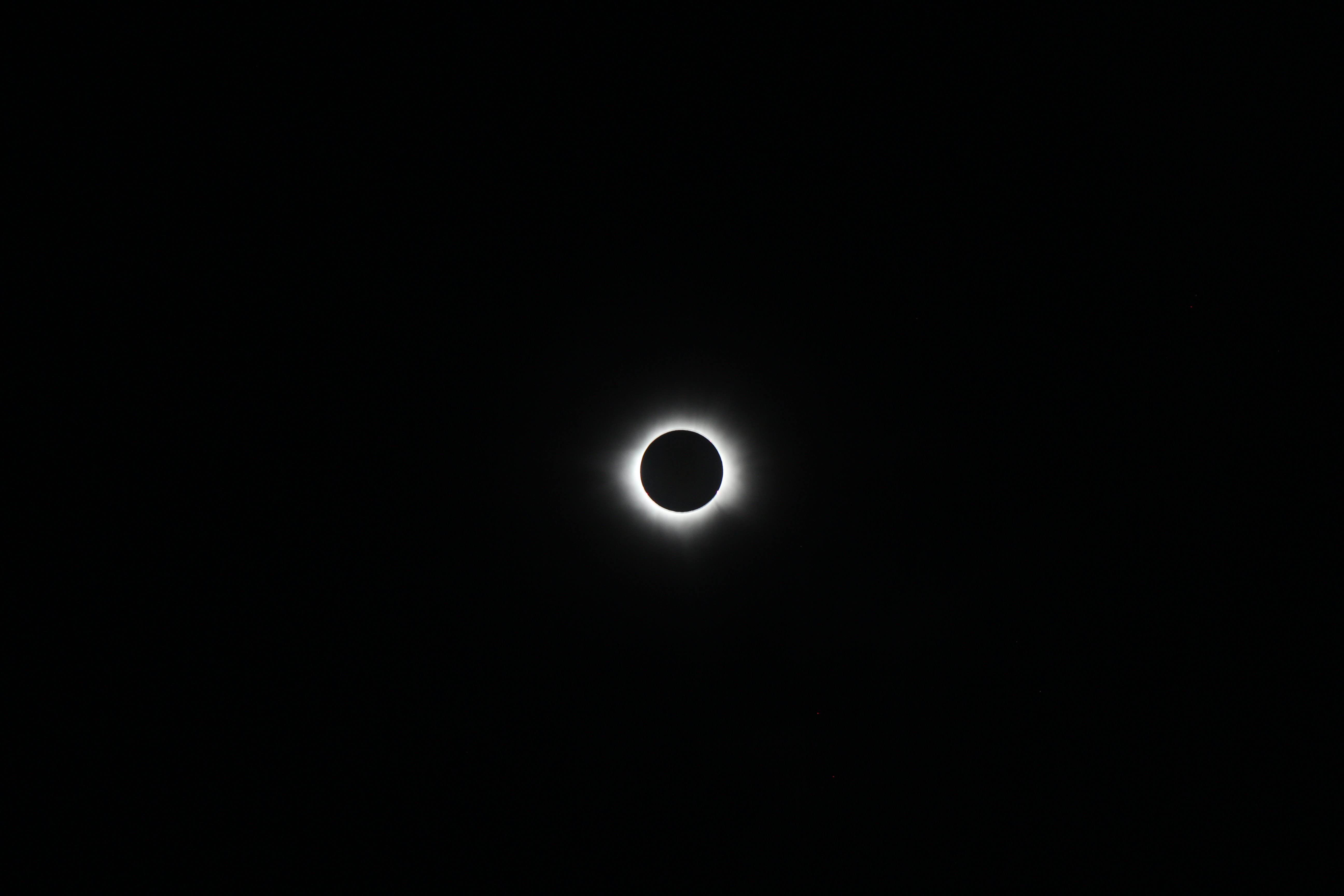 Uncropped Canon frame. 146mm, f/9, ISO 400, 1/60s.
I also wanted to capture how dark the surrounding area got during totality, so I framed one wide shot about 90 minutes before and another during, using the camp chairs as composition anchors so the two frames would line up.
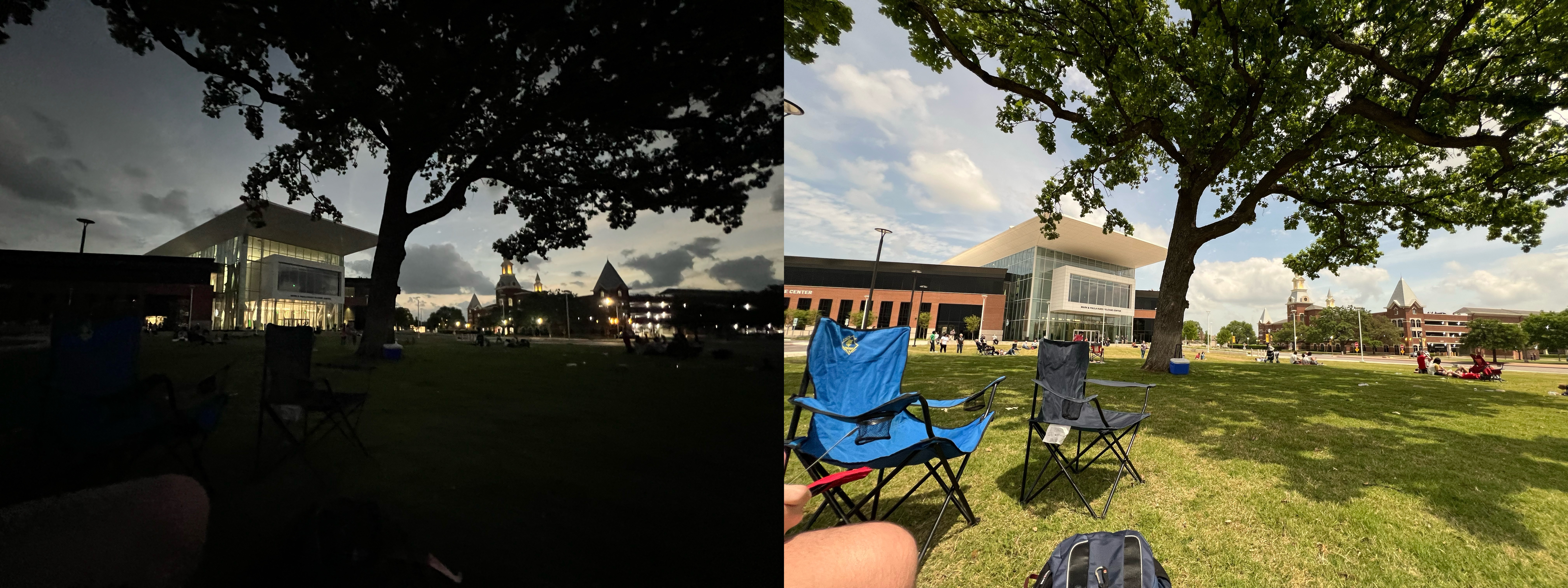 Left: during totality. Right: about 90 minutes before.
After three minutes of nonstop shooting I put everything down and watched the rest with my eyes. There’s a limit to how much an eclipse is improved by spending it behind a viewfinder.
The previous eclipse I’d witnessed was the August 21, 2017 partial, from a middle school courtyard in Houston, with an iPhone 5s and a pair of solar glasses. The school let us out for about 10 minutes before sending us back to class. Sun coverage was around 64% at the timestamp on my photo.
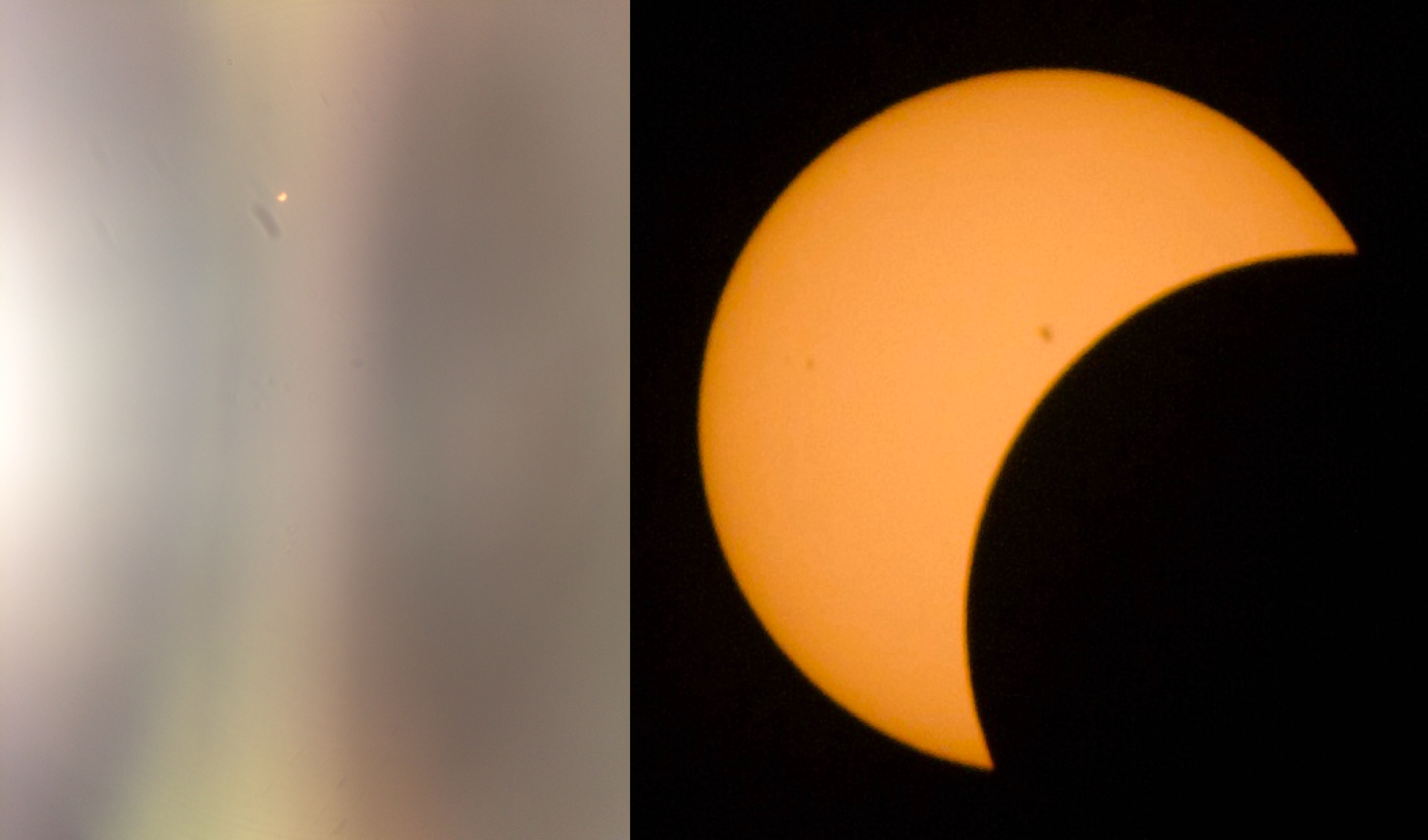 Left: 2017 partial from Houston, iPhone 5s, 29mm, f/2.2, ISO 32, 1/32s. Right: 2024 totality from Waco.
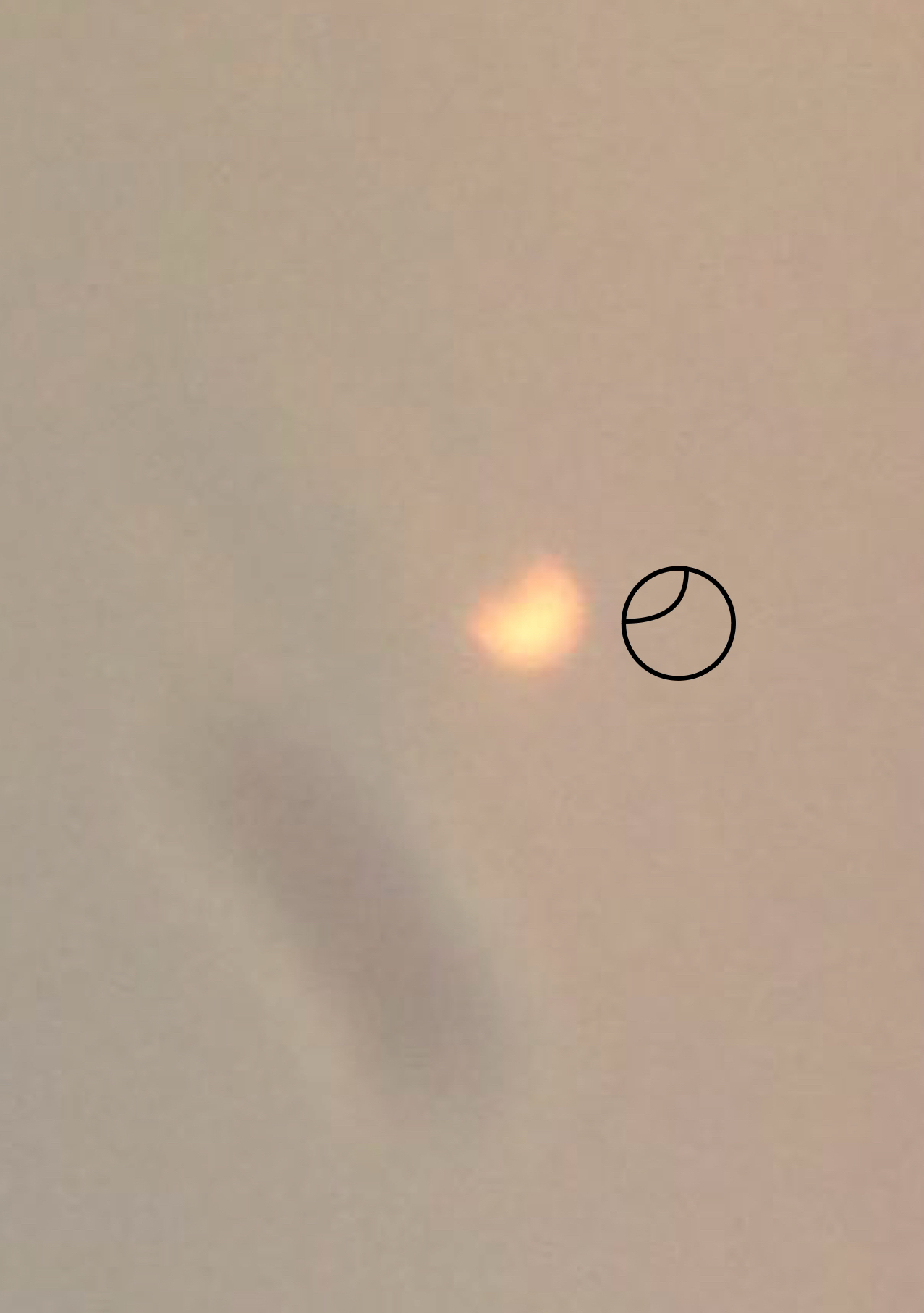 2017 image cropped in with an outline sketched over where the actual crescent sits. Barely visible in the raw frame.
I’d brought the same Canon with me in 2017, but didn’t have a solar filter and wasn’t about to point my family’s camera at the sun unprotected.
Fishing (2019 – Present)
Hawaii: July 24–25, 2024
Charter trip out of Kona. The two marlin shots are credit to the deckhand.
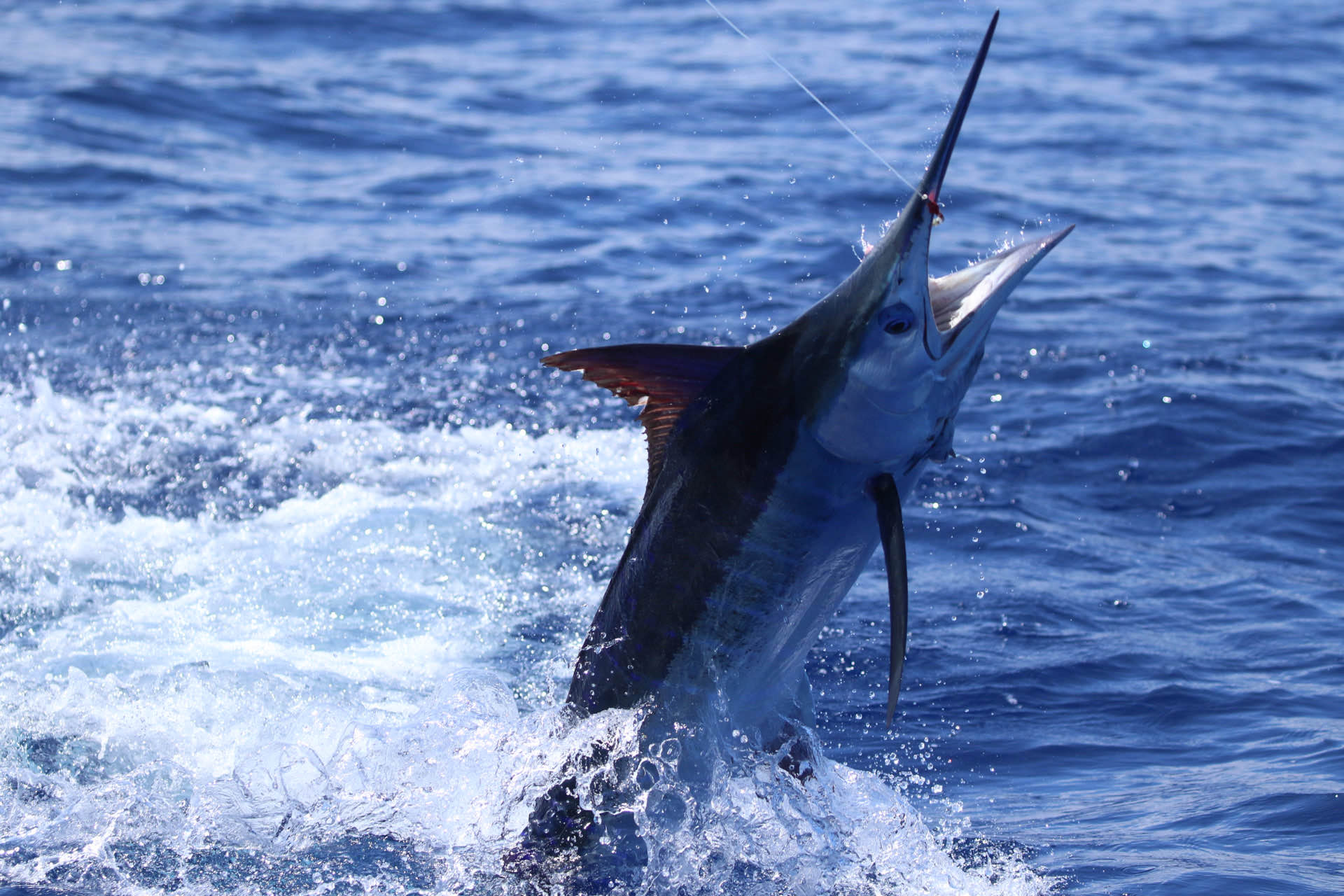 Marlin shot. Photo by the deckhand.
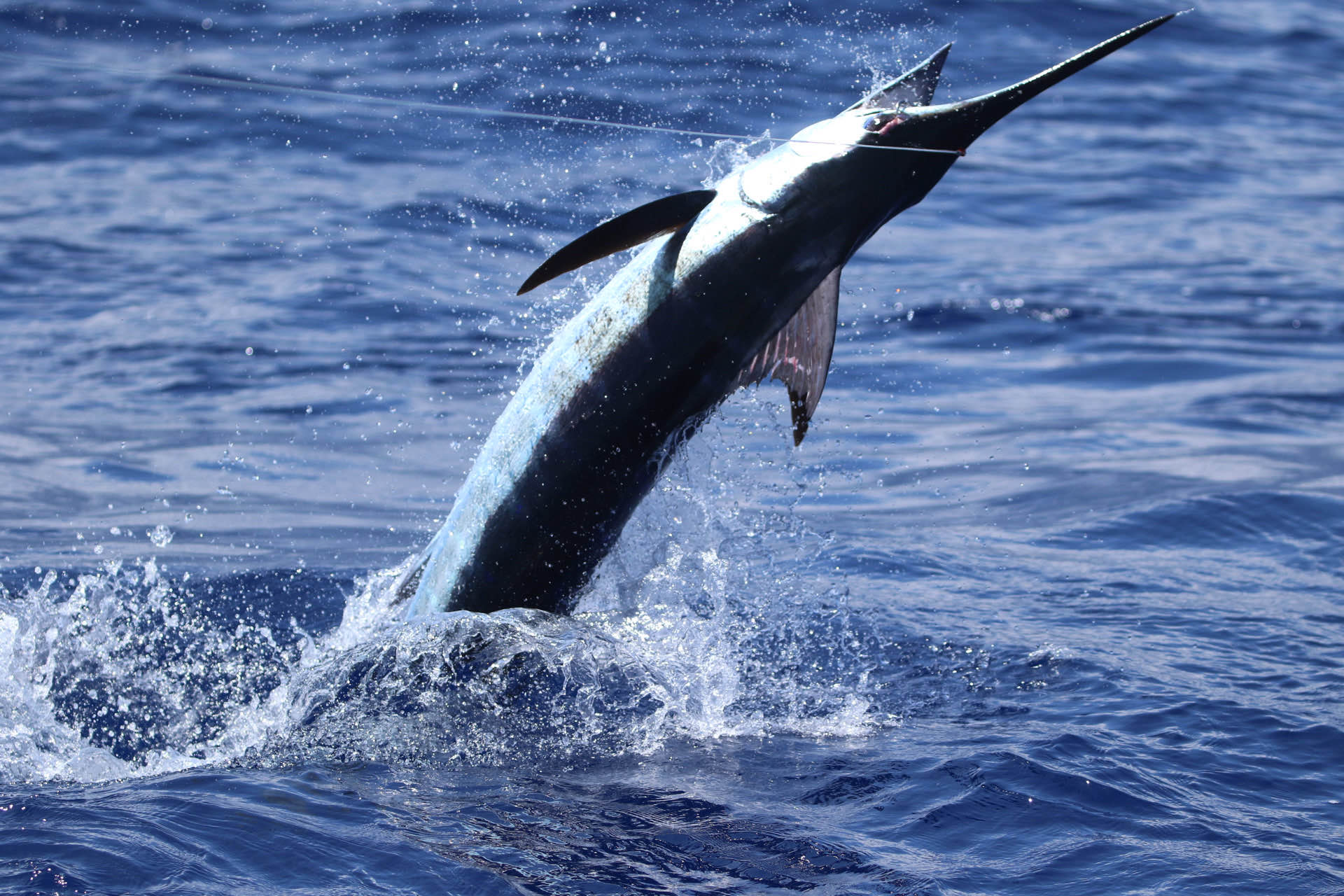 Marlin shot. Photo by the deckhand.
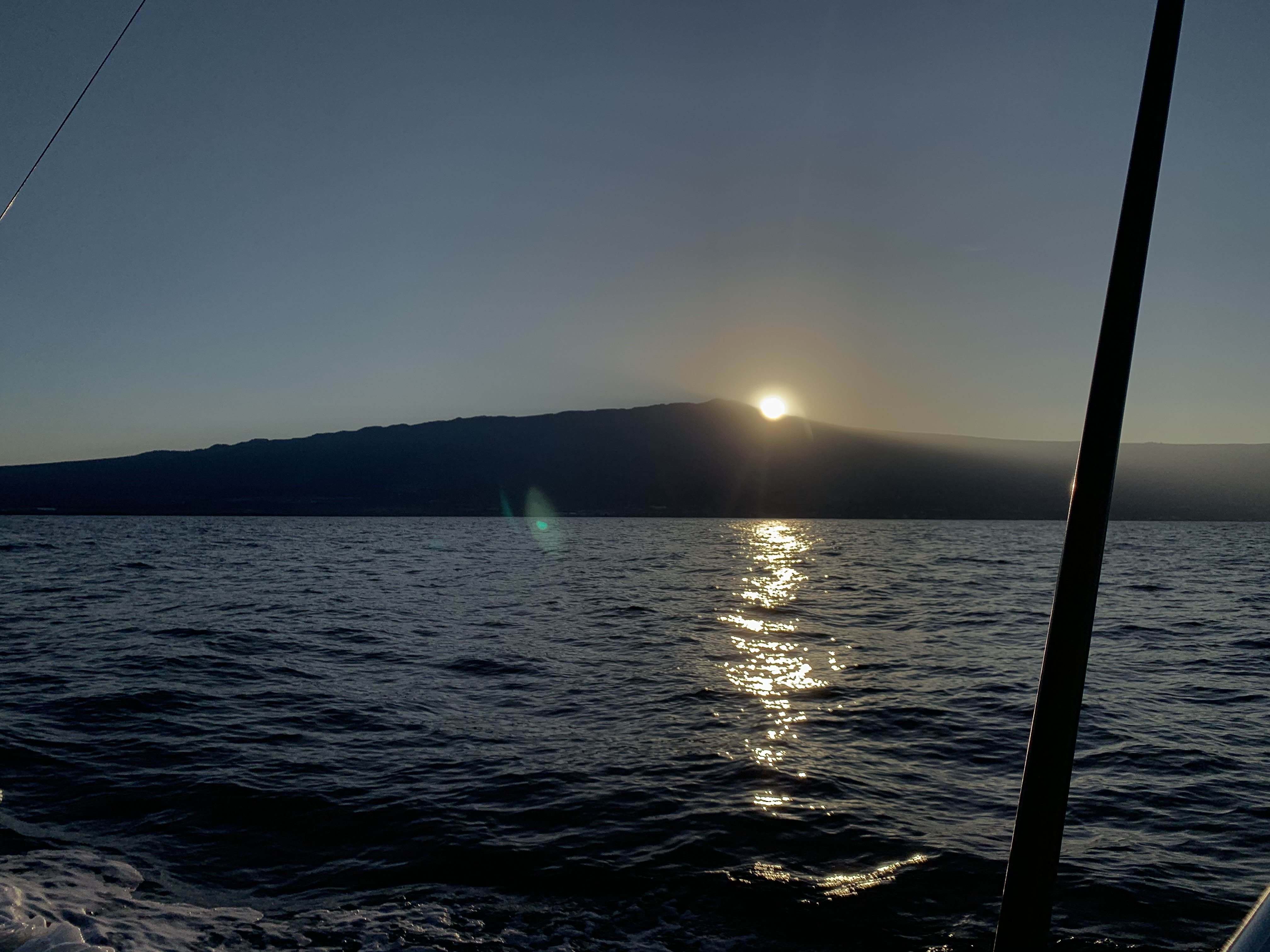 Sunrise over the Kona hills, from the boat.
Venice, Louisiana
One of my dad’s favorite saltwater spots, about 75 miles southeast of New Orleans.
 August 4, 2019.
 August 4, 2019.
 August 4, 2019, post-trip. Left to right: my older brother Scott, his wife Haley, me, and my dad.
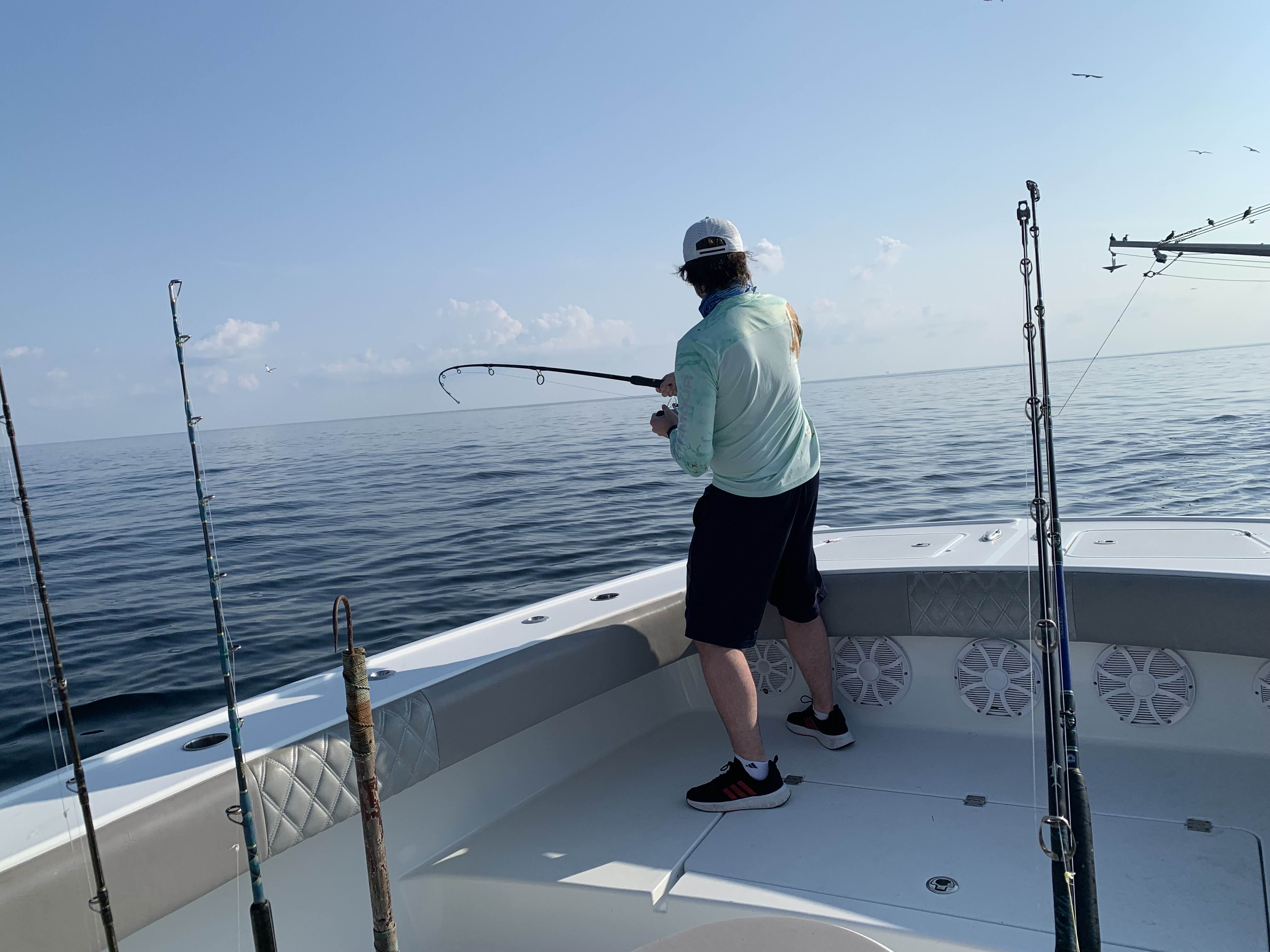 August 11, 2024. With my oldest brother (right). My dad’s not in the frame.
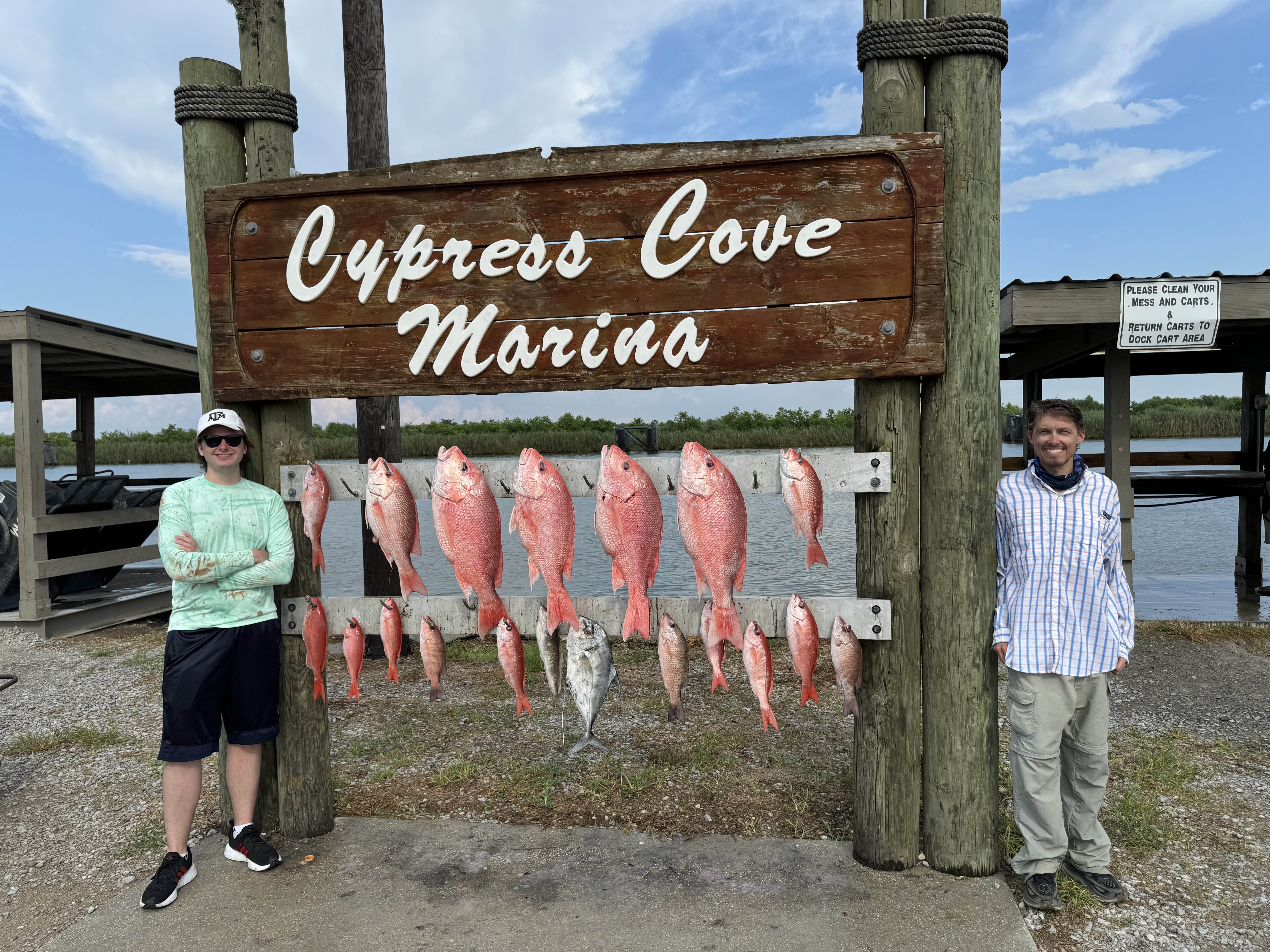 August 11, 2024, the day’s catch.
Everglades, Florida: August 11–12, 2023
 Peacock bass, Everglades.
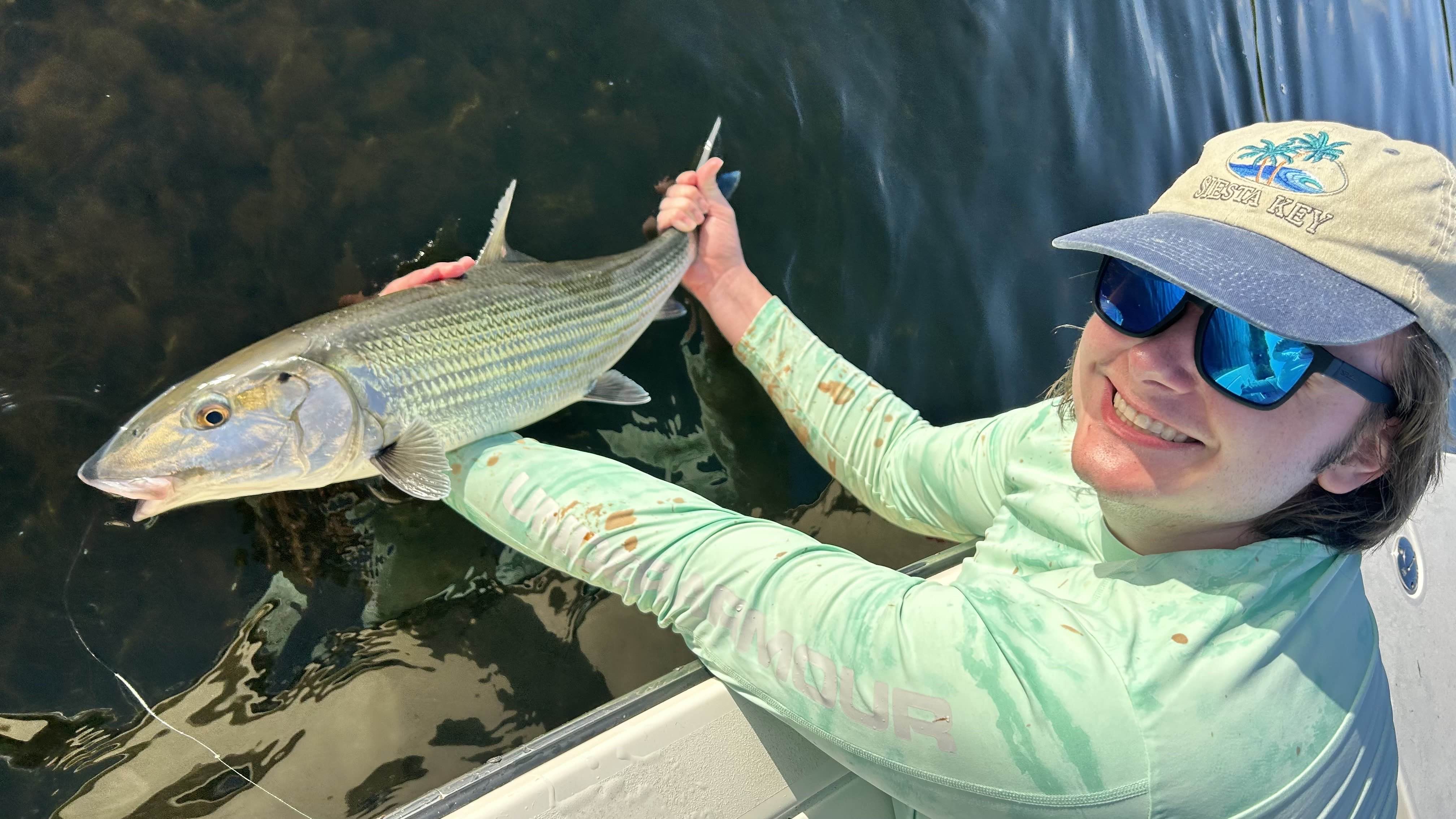 Bonefish, Everglades.
Astrophotography (December 2020 – Present)
The Great Conjunction of Saturn & Jupiter: December 21, 2020
The two planets were separated by only 6 arc-minutes, the closest they’ve appeared from Earth since 1623, and they won’t get this close again until 2040. I shot it through the eyepiece of a Celestron telescope with an iPhone XR.
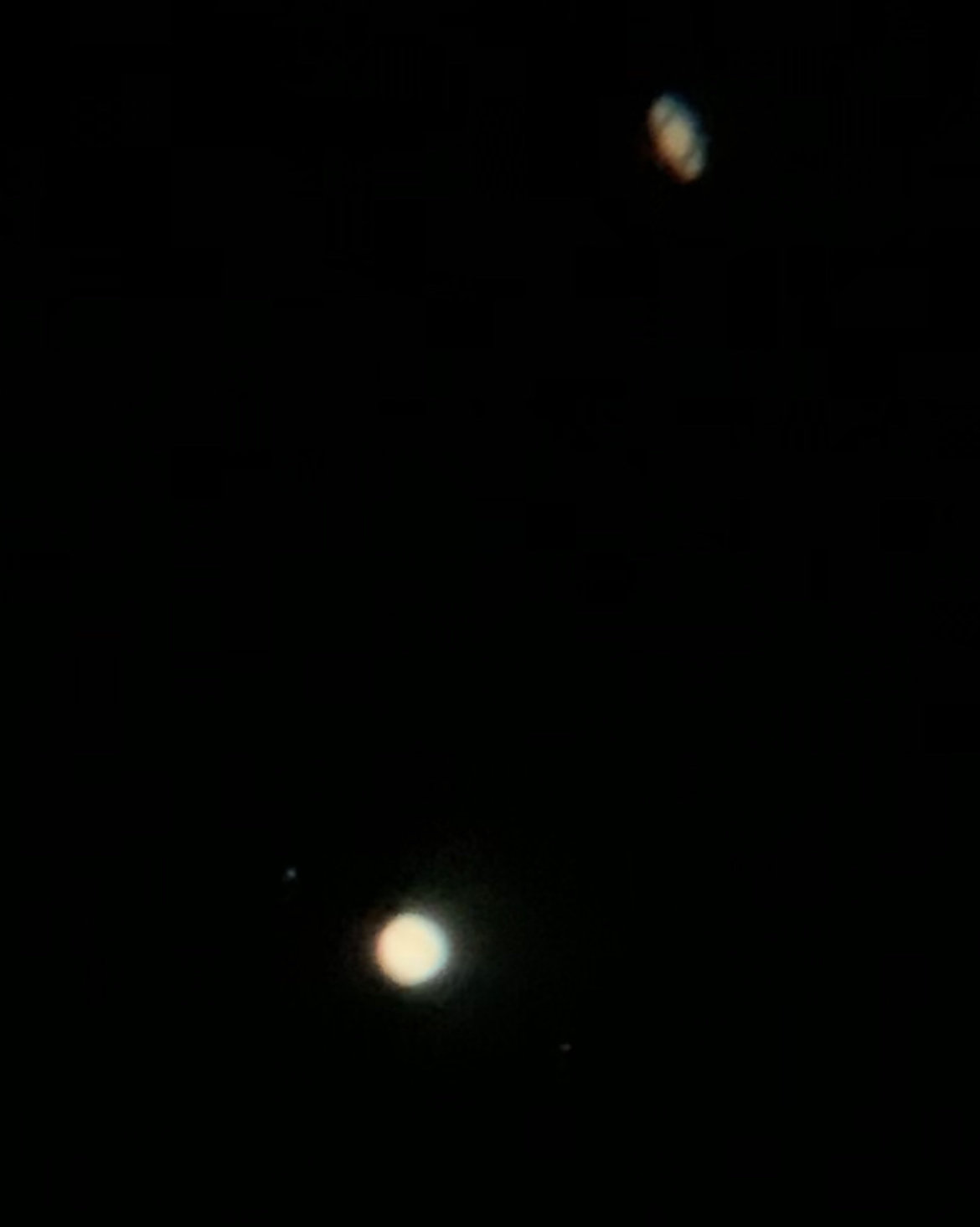 iPhone XR held to the eyepiece of a Celestron telescope. Saturn is the smaller dot below-left of Jupiter.
Grand Teton Night Sky
Family trip to the Tetons, no proper camera with me, so this is a phone shot. Really wish I’d brought the Canon and a tripod. 10-second handheld exposures out of an iPhone are impressive, but they’re not the same.
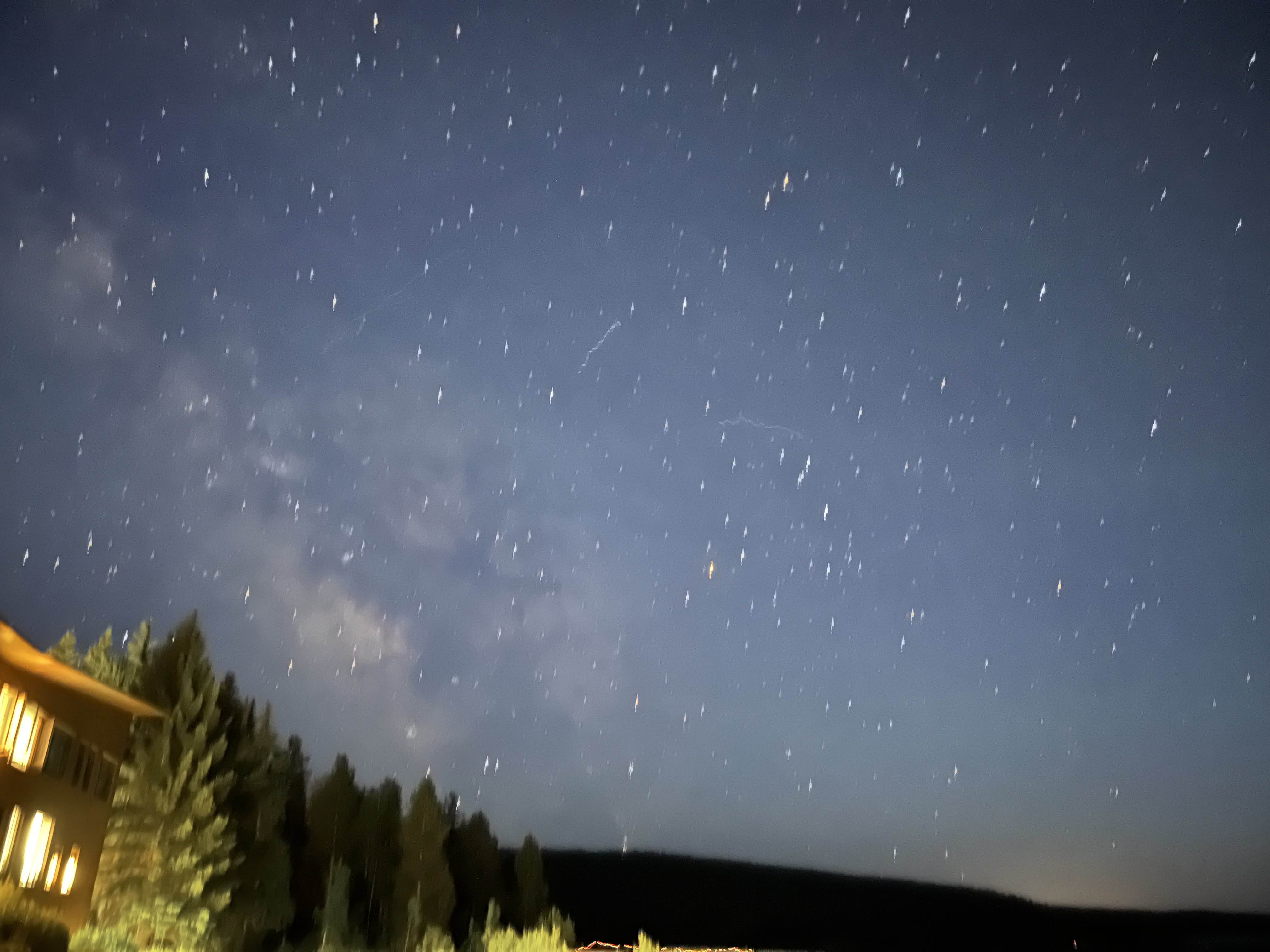 iPhone 13 Pro Wide, 26mm, f/1.5, ISO 3200, 10s.
I’d like to be properly set up with a tracker and a real camera by the time the 2040 conjunction comes around.
Travel & Landscape (Grand Teton)
Same trip as the night-sky shot above. Different end of the dynamic range.
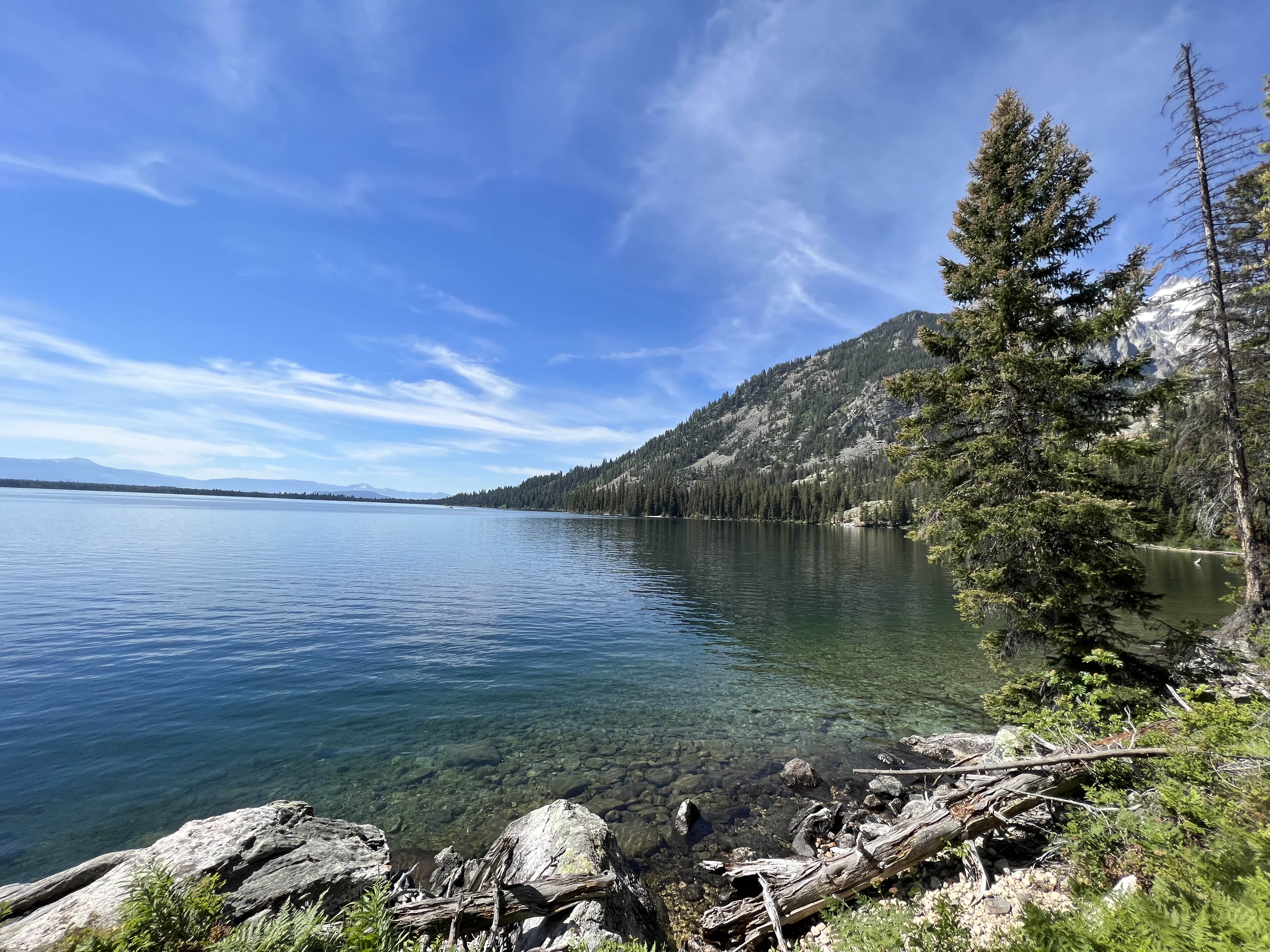 Lake Jenny. iPhone 13 Pro Ultra-Wide, 13mm, f/1.8, ISO 32, 1/1908s.
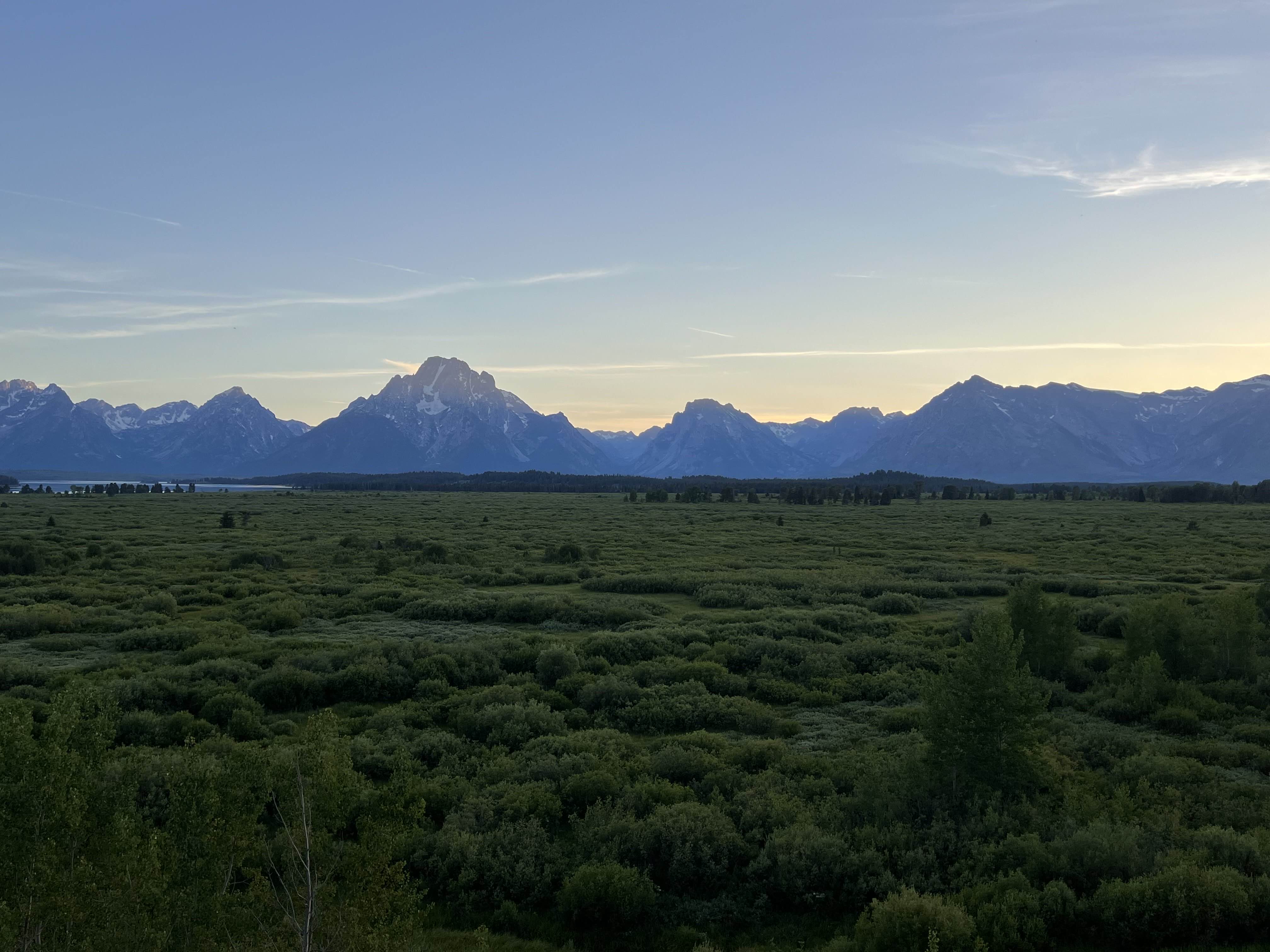 Sunset over the Tetons. iPhone 13 Pro Wide, 32mm, f/1.5, ISO 50, 1/1295s.
